The decision is mostly logistics, not price
The figure attached to a yacht refit in Turkey is usually a percentage, and it is the least useful thing anyone brings to the decision. Nobody quoting it says which lines it applies to, and it is applied to a total that is mostly not labour.
Bringing a yacht to Turkey for a refit is a sequence of arrangements. There is a passage at both ends. The yard slot has to be fixed to the certificate calendar rather than the cruising one. An agent has to be appointed and a customs position confirmed before departure, not on arrival. None of it shows up in a percentage, and most of it is where an unhappy yard period comes from.
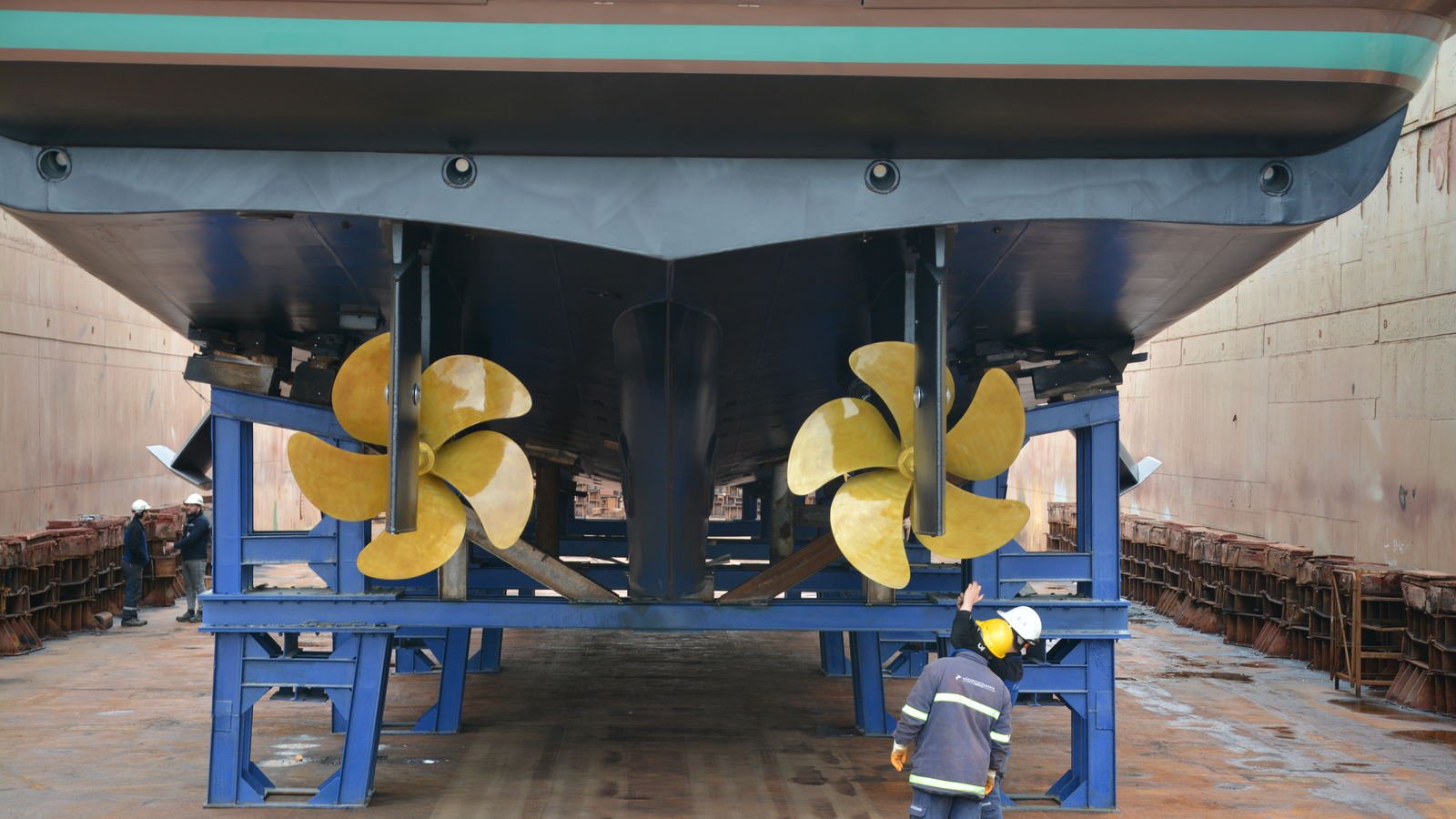
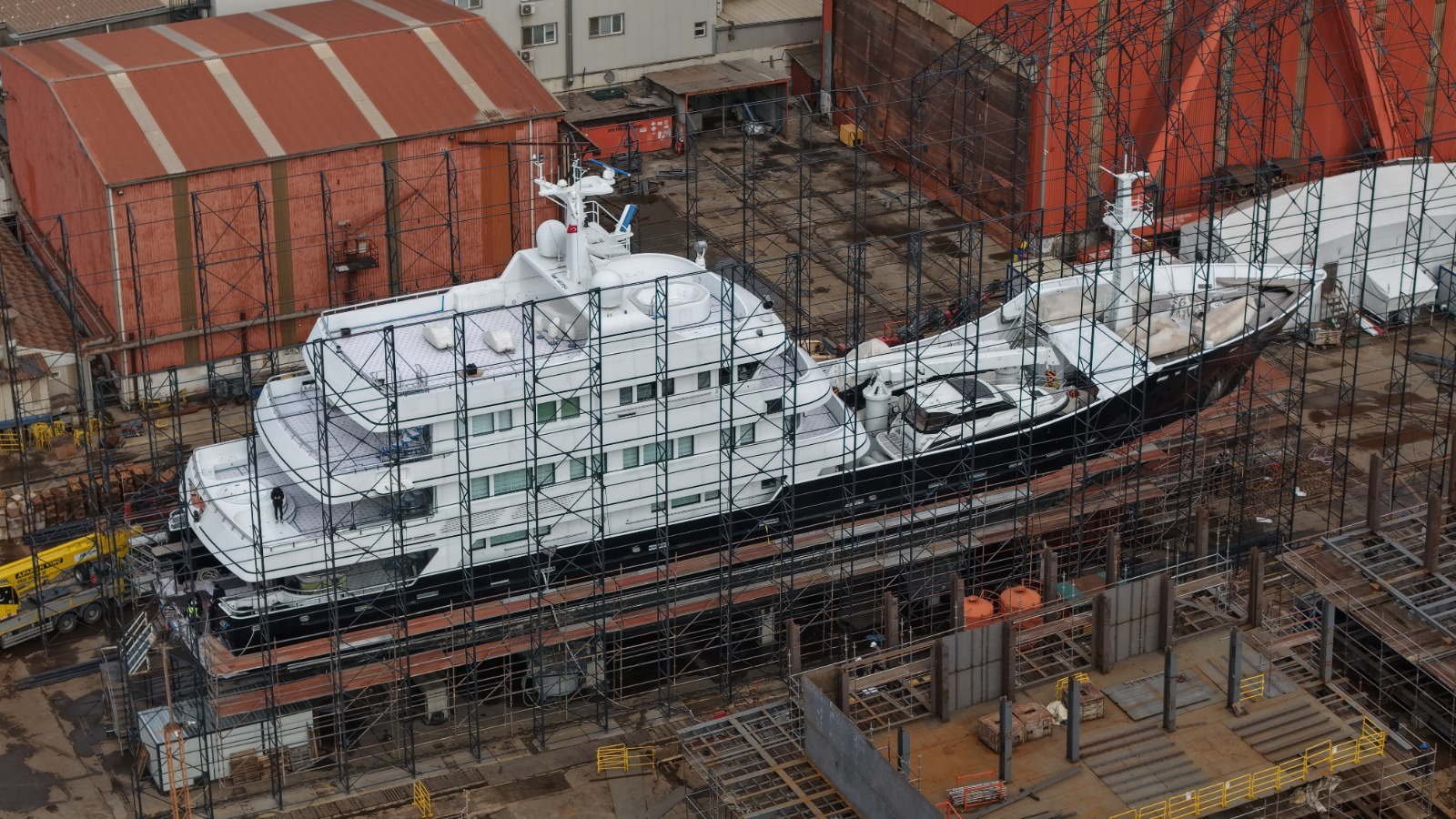
Why the trade sits on this stretch of the Marmara is a separate subject, taken apart already in what the Tuzla cranes were built for. The consequence for the planning is that trade is employed here rather than flown in, and a plate or a machining job can be found inside the district in an afternoon. She goes there to be worked on, and she comes back.
Getting her there, and when the yard period has to fall
From the Aegean the route is the Dardanelles and then the Sea of Marmara. There is no Bosphorus transit; Tuzla sits south and east of it. The strait is a traffic separation scheme with a surface current setting toward the Aegean: a passage to plan rather than to assume.
From the eastern Mediterranean that is a few days. From the Balearics it is a delivery — fuel, crew, insurance, time at both ends — set against the saving rather than assumed away.
The refit yard period is reverse-engineered from the class calendar, not the owner's diary. Docking and renewal surveys are the immovable objects. Autumn is the window everyone wants; booking late buys whatever slot is left rather than the yard's attention, and puts the long-lead items on the wrong side of the programme. What the work does in what order is set out in what yacht refitting actually involves, in order.
The entry regime, the agent and class attendance
A foreign-flagged yacht enters Turkey under a temporary importation regime, and her position under it has to hold across the yard period. The specifics change and are not the yard's to publish; they are confirmed with the vessel's agent before the passage rather than on arrival.
The agent runs the interface with the harbour master, customs, health and immigration. Clearance of imported parts into the project is a separate track from her own entry, handled between the yard and the agent, and falls under the same regime that has to be confirmed first. How a yard treats OEM parts on a given project is a question for that yard.
Earlier than most refit planning allows for, there is her fiscal position on the way back. Work done outside the customs territory she returns to can have a tax consequence on re-entry, and the answer turns on her flag and her ownership. That belongs with the owner's customs adviser before a yard is chosen.
Class attendance is a booking rather than a formality. A ship-repair district is easier ground for a surveyor to reach than a remote yard, but a diary is still a diary: attendance is booked when the slot is booked. What a change order has to carry, and who signs it, is a subject of its own, set out in writing a yacht refit specification.
What a superyacht refit in Istanbul asks of the crew
Once her systems are isolated she is not habitable: no air conditioning, no sanitary, hot work overhead, noise into the evening. Crew still have to be housed, and depending on her registry that may be an obligation rather than a courtesy. Either way it is a contracted budget line, arranged when the yard slot is arranged.
Istanbul is a city rather than a yard town, which is a logistics fact before it is an advantage: crew retention through a long period is easier here than in an isolated yard. Sabiha Gökçen is the near airport, on the same side of the water, close enough for a short superintendent visit. Istanbul Airport is on the European side and a long drive across the city, worth knowing before a rotation is booked.
Where the saving on a yacht refit in Turkey lands
Labour here is local and paid in lira, and that is where the difference sits. It lands on hours: fairing and paint preparation, steel fabrication, tank cleaning and coating, joinery, cable runs, pipework, teak.
It does not land on equipment. A gyro, an overhaul kit, a proprietary coating system, navigation electronics are imported, quoted in hard currency, and cost what they cost anywhere plus freight. The saving scales with the labour share of the scope, and on many scopes the hardware lines are the larger half.
Anyone comparing the cost of a yacht refit in Turkey against a Western Mediterranean quotation should set the labour lines and the equipment lines out separately, because as a Mediterranean refit alternative this yard moves one and not the other. Splitting those two before anything is compared is the whole of it here; how three quotations are made comparable at all is taken apart in writing a yacht refit specification.
Judging a yard before the contract
Who employs the tradesmen is the first question, and this journal has taken it apart already in who employs the welder. Assume it settled, because what decides a yard period from a distance is commercial.
The first is whether the yard is a contractor or a landlord: whether it carries the scope, or sells a berth and lets an owner bring their own contractors. The two look alike in a quotation and behave nothing alike when a tank has to be reopened: only one of them has somebody answerable for the decision to close it.
The second is reporting. A weekly written report, a photographic record, one named contact on the yard's side and a language of record are most of the product for a team that is not resident. A tank coated and closed without a record of the substrate has to be taken on trust or opened again, and opening it costs a week no schedule had in it.
When Turkey is the wrong answer
A yacht refit in Turkey is the wrong answer for short or urgent scopes, where the delivery voyage eats the saving before work starts. For equipment-dominated scopes, where the money is hardware rather than hours. For a yacht inside her builder's warranty, whose terms may restrict who works on her and are read before the yard is chosen.
A fiscal position that makes leaving and re-entering a customs territory expensive or uncertain. A charter calendar that cannot absorb a passage at both ends. Nothing in the way this yard is organised compresses a class calendar or an OEM lead time; what it holds is the hours. A scope that turns on one proprietary specialist, a paint applicator or a classic rig man, whose location and not the country's decides the yard.
And an owner's team that cannot supervise and will not fund someone who can. Distance does not create bad work, but it lets it run for a fortnight before anyone sees it. That is the limit, and not one the yard can fix from this end. It rewards owners who turn up.
Written at the yard in Tuzla. Nothing here is a customs, tax or legal opinion; her entry regime and her fiscal position on return belong with the vessel's agent and the owner's own advisers.
What to send before you ask for a number
Send the work list as it stands, before it is a specification. With it: her last condition survey, the outstanding conditions of class and anything falling due inside the window you are considering, her flag and ownership so the customs question can be put to the right adviser, and the dates the season leaves you. What comes back is a view of whether the passage is worth making, and what would have to be true for it to be.
SEND A BRIEF